3 Quick Breathing Exercises for Immediate Relaxation sets the stage for this engaging narrative, offering readers a peek into a story packed with details and bursting with originality right from the start.
In today’s fast-paced world, finding moments of relaxation is essential for our well-being. Incorporating quick breathing exercises into our daily routines can provide an instant sense of calm and peace. Let’s explore three effective techniques that offer immediate relaxation benefits.
Introduction to Breathing Exercises
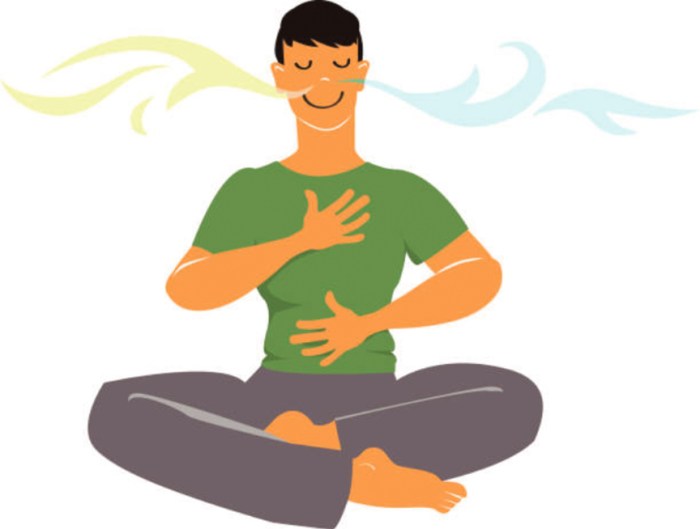
Breathing exercises are techniques designed to help individuals control their breathing patterns, promoting relaxation and reducing stress levels. By focusing on the breath, these exercises can help calm the mind and body, leading to a sense of immediate relaxation.Incorporating breathing exercises into daily routines is essential for overall well-being. Stress and anxiety are common in today’s fast-paced world, and taking a few moments to practice breathing techniques can make a significant difference in managing these feelings.
Whether it’s a quick exercise during a break at work or a longer session before bed, regular practice can lead to improved mental clarity and emotional balance.
Benefits of Practicing Breathing Exercises
- Reduces stress and anxiety levels
- Improves focus and concentration
- Promotes better sleep quality
- Boosts overall emotional well-being
- Enhances the body’s ability to relax and unwind
Deep Breathing Technique
Deep breathing is a simple yet powerful technique that can help reduce stress and anxiety by promoting relaxation and calmness in the body. This technique involves taking slow, deep breaths to activate the body’s relaxation response.
How to Perform Deep Breathing for Relaxation
- Find a quiet and comfortable place to sit or lie down.
- Close your eyes and take a slow, deep breath in through your nose, allowing your diaphragm to expand fully.
- Hold your breath for a few seconds.
- Exhale slowly and completely through your mouth, feeling your chest and abdomen deflate.
- Repeat this deep breathing pattern for several minutes, focusing on the rhythm of your breath.
Box Breathing Exercise: 3 Quick Breathing Exercises For Immediate Relaxation
The Box Breathing Exercise, also known as Four-Square Breathing, is a simple yet effective technique used to promote relaxation and reduce stress. This exercise follows a structured pattern of inhaling, holding the breath, exhaling, and holding the breath again, forming a square or box shape.
Structure and Benefits
- Inhale: Begin by inhaling deeply through your nose for a count of four seconds. This helps to oxygenate the body and calm the mind.
- Hold: Hold your breath for another count of four seconds. This allows the body to fully absorb the oxygen and prepare for the next phase.
- Exhale: Slowly exhale through your mouth for a count of four seconds. This releases carbon dioxide and tension from the body.
- Hold: Hold your breath again for a count of four seconds. This brief pause signals the completion of one full cycle.
Box breathing can help regulate the autonomic nervous system, reduce anxiety, and improve focus and concentration.
Variations
- Extended Box Breathing: Increase the count to six or eight seconds for a deeper relaxation effect.
- Rapid Box Breathing: Shorten the count to two or three seconds for a quick energy boost and mental clarity.
- Nighttime Box Breathing: Perform the exercise lying down before bed to calm the mind and promote better sleep.
4-7-8 Breathing Method
The 4-7-8 breathing method is a simple yet effective technique that involves inhaling for a count of 4, holding the breath for a count of 7, and exhaling slowly for a count of 8. This breathing exercise is known for its calming effects on the mind and body.
Calming Effects of the 4-7-8 Breathing Method
- The 4-7-8 breathing method helps activate the body’s relaxation response, reducing stress and anxiety levels.
- By focusing on the breath and counting, this technique distracts the mind from racing thoughts and promotes a sense of calm.
- Regular practice of the 4-7-8 breathing method can improve overall lung function and increase oxygen levels in the body.
Aiding in Falling Asleep Faster, 3 Quick Breathing Exercises for Immediate Relaxation
- By slowing down the breathing and focusing on the rhythmic pattern of 4-7-8, the body enters a state of relaxation conducive to falling asleep.
- This breathing technique helps quiet the mind and prepares the body for rest, making it easier to drift off into a peaceful sleep.
- Individuals experiencing insomnia or difficulty falling asleep can benefit from incorporating the 4-7-8 breathing method into their bedtime routine.
Tips for Practicing the 4-7-8 Breathing Method
- Find a comfortable position either sitting or lying down, ensuring your spine is straight to allow for proper breathing.
- Place the tip of your tongue against the roof of your mouth, right behind your front teeth, throughout the exercise.
- Inhale quietly through your nose for a count of 4, hold your breath for a count of 7, and exhale slowly through your mouth for a count of 8, making a whooshing sound.
- Repeat the cycle at least 4 times, gradually increasing the repetitions as you become more comfortable with the technique.
- Practice the 4-7-8 breathing method regularly, especially during times of stress or before bedtime, to experience its full relaxation benefits.
Final Thoughts
In conclusion, mastering these three quick breathing exercises can be a game-changer in managing stress and finding moments of tranquility in our hectic lives. Remember to practice these techniques regularly to experience the full benefits of immediate relaxation.