6 Tips to Meditate Effectively in a Noisy Environment sets the stage for this enthralling narrative, offering readers a glimpse into a story that is rich in detail with kontan author style and brimming with originality from the outset.
In a world filled with constant noise and distractions, finding inner peace through meditation can be challenging but incredibly rewarding. This guide offers practical tips to help you navigate noisy environments and enhance your meditation practice.
Tips for Meditating in a Noisy Environment

In a world filled with constant noise and distractions, finding peace and quiet can seem like a daunting task. However, with the right strategies and mindset, it is possible to meditate effectively even in a noisy environment.
Identify the Root Cause of Distractions
When meditating in a noisy environment, it is essential to identify the root cause of distractions. Is it the loud traffic outside your window, the chatter of people nearby, or the buzzing of electronic devices? Once you pinpoint the source of the noise, you can take steps to minimize its impact on your meditation practice.
- Acknowledge the noise without judgment or frustration.
- Focus on your breath or a mantra to redirect your attention.
- Use earplugs or headphones to block out external sounds.
Strategies for Creating a Peaceful Meditation Space Amidst Noise
Creating a peaceful meditation space in a noisy environment requires a combination of practical solutions and mental resilience. By establishing a calming atmosphere, you can cultivate a sense of tranquility even in the midst of chaos.
“In the midst of chaos, there is also opportunity.”
Sun Tzu
- Set up a designated meditation corner with comfortable cushions or a chair.
- Play soothing music or nature sounds to mask disruptive noises.
- Light candles or burn incense to create a calming ambiance.
The Importance of Acceptance and Mindfulness in Noisy Surroundings
Acceptance and mindfulness play a crucial role in meditating effectively in a noisy environment. By embracing the present moment and practicing non-judgmental awareness, you can cultivate inner peace and focus amidst external disturbances.
- Accept the presence of noise without letting it derail your meditation practice.
- Practice mindfulness by observing the sounds around you without getting attached to them.
- Remain grounded in the present moment, letting go of any resistance to the noise.
Breathing Techniques

Breathing techniques play a crucial role in meditating effectively, especially in a noisy environment. By focusing on your breath, you can drown out external distractions and find a sense of calm and peace within.
Deep Breathing
Deep breathing involves taking slow, deep breaths to help relax your body and mind. This technique can be particularly useful in noisy environments as it allows you to concentrate on your breath rather than the surrounding noise. To practice deep breathing:
- Inhale deeply through your nose, expanding your diaphragm as you fill your lungs with air.
- Hold your breath for a few seconds.
- Exhale slowly through your mouth, emptying your lungs completely.
- Repeat this process several times, focusing on the rhythm of your breath.
Rhythmic Breathing
Rhythmic breathing is another effective technique for meditating in a noisy environment. This involves breathing at a steady pace to create a sense of balance and harmony. To practice rhythmic breathing:
- Find a comfortable position and close your eyes.
- Inhale slowly and deeply through your nose for a count of four.
- Hold your breath for a count of four.
- Exhale slowly and completely through your mouth for a count of four.
- Repeat this cycle, maintaining a consistent rhythm.
Comparison of Breathing Exercises
While both deep breathing and rhythmic breathing can be effective in noisy environments, individuals may find one technique more suitable than the other based on personal preference and comfort. Deep breathing may be more calming for some, while others may prefer the structured approach of rhythmic breathing. Experiment with both techniques to determine which works best for you in maintaining focus and relaxation during meditation.
Mindfulness Practices
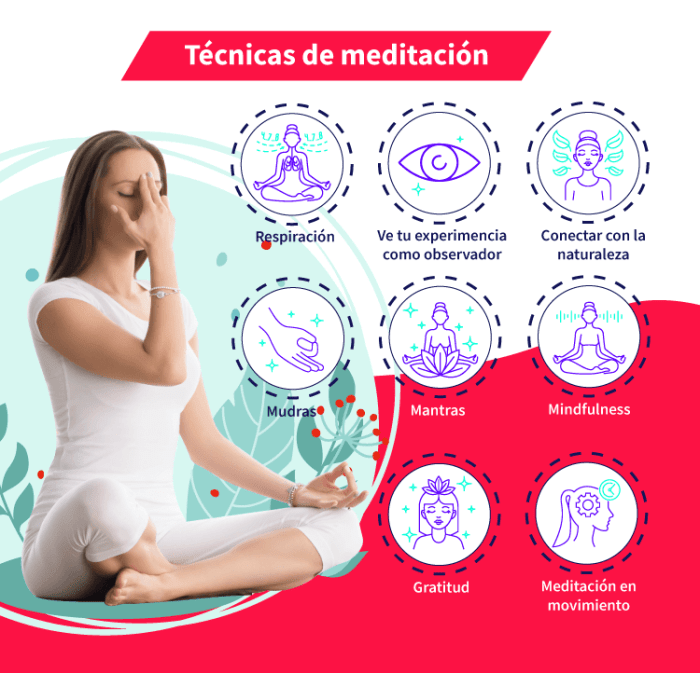
In a noisy environment, practicing mindfulness can help you stay centered and focused during meditation. By shifting your focus from external distractions to internal sensations, you can deepen your practice and experience a sense of calm amidst the chaos.
Shifting Focus to Internal Sensations
One way to shift your focus from external noise to internal sensations is to pay attention to your breath. Notice the rise and fall of your chest, the sensation of air entering and leaving your body. By anchoring your awareness to your breath, you can create a sense of inner peace and tranquility.
Role of Grounding Techniques
Grounding techniques, such as focusing on a specific point in your body or repeating a mantra, can help maintain mindfulness amidst distractions. By grounding yourself in the present moment, you can prevent your mind from wandering and stay fully engaged in your meditation practice.
Benefits of Mindfulness in Noisy Environments
Practicing mindfulness in noisy environments can have numerous benefits for your overall well-being. It can help reduce stress, improve focus and concentration, and enhance your ability to stay calm in challenging situations. By cultivating mindfulness, you can cultivate a greater sense of inner peace and resilience in the face of external distractions.
Visualization and Imagery
Visualization techniques play a crucial role in creating a mental barrier against noise during meditation. By focusing on calming imagery, individuals can enhance their ability to concentrate and relax, even in a noisy environment.
Calming Imagery for Meditation
- Imagine yourself in a serene natural setting, such as a peaceful beach with gentle waves or a tranquil forest with chirping birds.
- Visualize a soft, glowing light surrounding you, bringing a sense of warmth and comfort.
- Picturing a beautiful garden with colorful flowers and a gentle breeze can also help create a peaceful mental space.
Impact of Visualization on Meditation
Visualization not only helps in blocking out distractions but also aids in improving concentration and relaxation during meditation. By actively engaging the mind in positive imagery, individuals can shift their focus away from external noise and towards inner peace and tranquility.
Sound Masking and White Noise
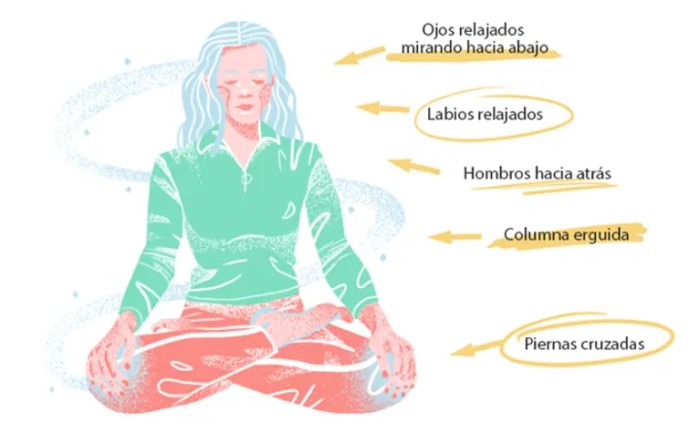
When meditating in a noisy environment, using sound masking techniques like white noise or ambient sounds can be incredibly helpful in minimizing external distractions. White noise works by creating a consistent sound that blends with and masks other noises, making it easier to focus on your meditation practice.
Tips for Incorporating Sound Masking Techniques
- Invest in a white noise machine or use a white noise app on your phone to generate a constant background sound.
- Choose a white noise sound that is soothing and helps you relax, such as ocean waves, rainfall, or a gentle breeze.
- Adjust the volume of the white noise to a level that effectively masks external sounds without being too loud or distracting.
- Use earphones or headphones to enhance the white noise experience and block out more external noise.
Benefits and Drawbacks of Using White Noise, 6 Tips to Meditate Effectively in a Noisy Environment
Using white noise in a noisy environment can have several benefits, such as:
- Improving focus and concentration by reducing external distractions.
- Promoting relaxation and creating a calming environment for meditation.
- Helping you establish a consistent meditation routine despite noisy surroundings.
However, there are also potential drawbacks to consider:
- Dependency on white noise for meditation may limit your ability to practice in silence.
- Some people may find white noise irritating or uncomfortable, affecting their meditation experience.
- Extended exposure to white noise at high volumes can potentially lead to hearing damage over time.
Setting Realistic Expectations: 6 Tips To Meditate Effectively In A Noisy Environment
In the noisy environment, it is crucial to set realistic expectations for your meditation practice. Adjusting your expectations can help you stay focused and calm despite the distractions around you. Here are some ways to cultivate patience and resilience when faced with noisy surroundings:
Cultivating Patience and Resilience
When meditating in a noisy environment, it is important to acknowledge that distractions are a natural part of the process. Instead of getting frustrated, try to view them as opportunities to strengthen your focus and resilience.
- Practice acceptance: Instead of resisting the noise, accept it as part of the present moment. Allow the sounds to come and go without judgment.
- Focus on your breath: Use your breath as an anchor to bring your attention back whenever you get distracted. This can help you stay centered and calm amidst the noise.
- Be kind to yourself: Remember that meditation is a practice, and it’s okay to have moments of distraction. Treat yourself with compassion and gently guide your focus back to the present.
Integrating Noisy Meditation Sessions into Routine
Integrating noisy meditation sessions into your regular practice routine can help you build resilience and adaptability. Here are some insights on how to make the most of these sessions:
- Set realistic goals: Instead of aiming for complete silence, focus on finding moments of stillness and peace amidst the noise.
- Experiment with different techniques: Explore various meditation techniques that work best for you in a noisy environment, such as sound masking or visualization.
- Stay consistent: Consistency is key to establishing a meditation routine. Even if your sessions are noisy, try to meditate at the same time each day to create a sense of stability and habit.
Outcome Summary

Mastering the art of meditation in noisy surroundings requires patience, commitment, and a willingness to adapt. By incorporating these tips into your practice, you can cultivate a sense of calm and mindfulness even amidst the chaos of everyday life.