With 8 Ways to Incorporate Meditation into a Busy Lifestyle at the forefront, this article delves into practical strategies and tips to seamlessly integrate meditation into your hectic schedule, enhancing your overall well-being and productivity.
Why Meditate?
Meditation offers numerous benefits, especially for those with busy lifestyles. By taking time to meditate, individuals can improve their focus, reduce stress levels, enhance creativity, and boost overall productivity.
Improved Focus and Productivity
Meditation helps sharpen focus by training the mind to concentrate on the present moment. This increased focus can lead to improved productivity as individuals are better able to prioritize tasks and maintain clarity throughout the day. Successful entrepreneurs like Oprah Winfrey and Jeff Weiner credit meditation for their ability to stay focused and achieve their goals.
Stress Reduction and Mental Clarity
Regular meditation practice has been shown to reduce stress levels and promote mental clarity. By taking a few minutes each day to meditate, individuals can clear their minds, improve decision-making, and approach challenges with a calm and centered mindset. Notable figures such as Arianna Huffington and Ray Dalio incorporate meditation into their daily routines to manage stress and maintain mental clarity in their high-pressure environments.
Finding Time for Meditation
In the midst of a hectic schedule, it can be challenging to find time for meditation. However, prioritizing this practice is essential for overall well-being and mental clarity.
Carve Out Time in Your Schedule
- Wake up a few minutes earlier: Setting your alarm just 10-15 minutes earlier can provide a peaceful start to your day for meditation.
- Utilize breaks: Whether it’s a lunch break or a short break between tasks, take a few minutes to meditate and recharge.
- Wind down before bed: End your day with a meditation session to relax and prepare for a restful night’s sleep.
Importance of Dedicated Meditation Time
Setting aside dedicated time for meditation allows you to fully focus on the practice without distractions, leading to deeper relaxation and mindfulness.
Making Meditation a Priority
- Set reminders: Use alarms or calendar alerts to remind yourself to take a few minutes for meditation each day.
- Commit to a routine: Establish a consistent meditation routine, whether it’s in the morning, during breaks, or before bed.
- Start small: Even just 5-10 minutes of meditation can make a difference, so don’t feel pressured to commit to long sessions initially.
Quick Meditation Techniques

In today’s fast-paced world, finding time for meditation can be a challenge. However, incorporating quick meditation techniques into your busy lifestyle can help you stay grounded, focused, and calm amidst the chaos. Here are eight quick meditation techniques that are perfect for busy individuals:
1. Mindful Breathing
Simply focus on your breath, taking deep inhales and exhales. This technique can be done anywhere, anytime, even for just a few minutes.
2. Body Scan
Close your eyes and bring your attention to different parts of your body, noticing any tension or discomfort. Release the tension as you scan through each body part.
3. Loving-Kindness Meditation
Send positive thoughts and well wishes to yourself and others. This practice can help cultivate compassion and empathy in a short amount of time.
4. Visualization
Imagine a peaceful place or a positive outcome to help calm your mind and reduce stress. Visualizing success can boost your confidence and motivation.
5. Mantra Meditation
Repeat a calming word or phrase silently or out loud to focus your mind and create a sense of peace and tranquility.
6. Gratitude Practice
Reflect on things you are grateful for, no matter how small. Practicing gratitude can shift your perspective and increase feelings of happiness.
7. Walking Meditation, 8 Ways to Incorporate Meditation into a Busy Lifestyle
Take a mindful walk, paying attention to each step and your surroundings. Walking meditation can help you connect with the present moment and relieve stress.
8. Mini Meditation Breaks
Take short breaks throughout the day to pause, breathe, and reset. Even a minute of focused breathing can make a difference in your mood and productivity.These quick meditation techniques can be seamlessly integrated into a busy day by setting reminders, creating a designated meditation space, and prioritizing self-care. Personal experiences have shown that incorporating these practices, even for a few minutes each day, can lead to increased focus, reduced stress, and overall well-being.
Creating a Meditation Space
Creating a designated meditation space can greatly enhance your practice and help you find peace and tranquility amidst a busy lifestyle. Here are some tips on how to design a calming meditation space at home or work.
Design and Layout
Creating a serene environment starts with choosing a quiet and clutter-free area for your meditation space. Consider using a corner of a room or a dedicated nook that allows you to focus and relax without distractions.
Lighting
Soft, natural light is ideal for a meditation space. Consider using candles, fairy lights, or a Himalayan salt lamp to create a warm and inviting atmosphere. Dimmer switches can also help adjust the lighting to suit your mood.
Scents and Aromatherapy
Incorporating calming scents like lavender, sandalwood, or eucalyptus can enhance your meditation experience. Use essential oil diffusers, scented candles, or incense to fill the space with soothing fragrances that promote relaxation.
Decor and Personal Touches
Personalize your meditation space with items that bring you joy and peace. This could include cushions, blankets, crystals, plants, or inspirational artwork. Surround yourself with objects that inspire mindfulness and positivity.
Mindful Activities
Incorporating mindfulness into everyday activities can help you stay present and calm amidst a busy schedule. By focusing on the task at hand, you can bring a sense of awareness and peace to even the most routine activities.
Mindful Walking
Walking can be a great opportunity to practice mindfulness. Focus on the sensation of your feet touching the ground, the rhythm of your steps, and the sights and sounds around you. Take deep breaths and let go of any distractions.
Mindful Eating
When eating, pay attention to the taste, texture, and smell of your food. Chew slowly and savor each bite. Notice how your body feels as you nourish it. Avoid distractions like screens or work during meals.
Mindful Commuting
During your daily commute, use the time to practice mindfulness. Take deep breaths, notice the world outside your window, and let go of any stress or worries. Listen to calming music or a podcast that uplifts your mood.
Meditation Apps and Tools

In today’s fast-paced world, technology has made it easier than ever to incorporate meditation into our daily lives. Meditation apps and tools are a convenient way for busy individuals to find moments of peace and mindfulness amidst their hectic schedules.
Popular Meditation Apps
- Headspace: Known for its guided meditations and sleep sounds, Headspace offers a variety of mindfulness exercises suitable for beginners and experienced meditators alike.
- Calm: With soothing music, bedtime stories, and meditation sessions for stress relief, Calm is a popular choice for those looking to unwind and relax.
- Insight Timer: This app provides a large library of free guided meditations, music tracks, and talks from meditation experts around the world.
Personal Recommendations
- My personal favorite is Headspace, as I find their guided meditations to be extremely helpful in keeping me focused and relaxed, especially during busy days.
- I also recommend Insight Timer for its diverse range of meditation options and the sense of community it fosters among its users.
- For those looking for a more customizable experience, Simple Habit offers short, targeted meditations tailored to specific needs like stress, sleep, or focus.
Accountability and Support
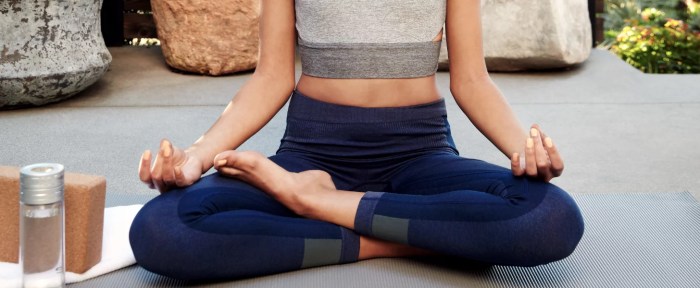
When it comes to incorporating meditation into a busy lifestyle, having accountability and support can make a significant difference in maintaining a regular practice.
Importance of Accountability
Being accountable to your meditation goals helps you stay committed and disciplined in your practice. Knowing that you have set intentions and goals can motivate you to show up on your meditation cushion even on the busiest days.
Strategies for Staying Accountable
- Set specific meditation goals with measurable outcomes to track your progress.
- Establish a routine by scheduling meditation sessions at the same time each day.
- Use a meditation journal to record your thoughts and reflections after each session.
- Find an accountability partner who shares the same meditation goals as you.
Seeking Support for Your Meditation Journey
Having a supportive network can enhance your meditation journey by providing encouragement, guidance, and a sense of community.
Remember, it’s okay to reach out to friends, family, or online communities for support when you need it.
Overcoming Challenges: 8 Ways To Incorporate Meditation Into A Busy Lifestyle
When trying to incorporate meditation into a busy lifestyle, there are several common challenges that can arise. These challenges can make it difficult to stay consistent with your practice, but with the right strategies and mindset, it is possible to overcome them and reap the benefits of meditation.
Dealing with Distractions
Distractions are a major obstacle when trying to meditate in a busy environment. Whether it’s noisy neighbours, a busy schedule, or racing thoughts, finding a quiet space to focus can be a challenge. To overcome distractions, try using noise-cancelling headphones, setting a specific time each day for meditation, or practicing mindfulness techniques to bring your focus back to the present moment.
Lack of Motivation
Another common challenge is a lack of motivation to meditate regularly. When faced with a busy lifestyle, it can be easy to prioritize other tasks over meditation. To combat this, try setting realistic goals, finding a meditation buddy for accountability, or reminding yourself of the benefits of meditation such as reduced stress and improved focus.
Time Constraints
Finding time to meditate can be tough when your schedule is packed with work, family, and other commitments. To overcome this challenge, consider waking up a few minutes earlier to meditate in the morning, using short meditation breaks throughout the day, or incorporating mindfulness into everyday activities like walking or eating.
Perfectionism and Self-Criticism
Sometimes, the pressure to meditate perfectly or the tendency to criticize yourself for not doing it “right” can hinder your practice. Remember that meditation is a journey, and it’s okay to have off days or moments of distraction. Be kind to yourself, let go of expectations, and focus on the process rather than the outcome.
Consistency and Routine
Maintaining a consistent meditation routine can be challenging when life gets in the way. To stay on track, try creating a daily schedule that includes dedicated time for meditation, setting reminders on your phone, or joining a meditation group for support and accountability.
Last Recap

In conclusion, by implementing these 8 ways to include meditation in your busy lifestyle, you can experience a profound shift in your focus, productivity, and overall quality of life. Start your journey to a more balanced and mindful existence today!